


Mastering Diamond Quality Assessment: Tips for Buyers
- Samir Kureshi

- 1 day ago
- 18 min read
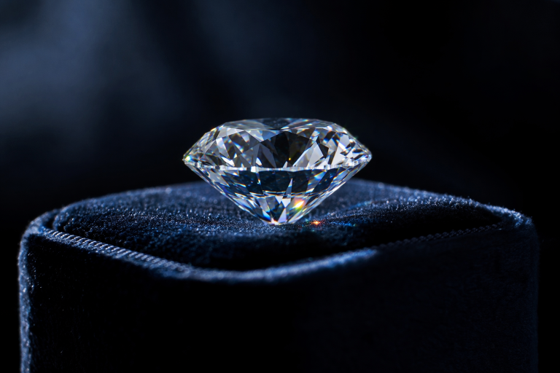
Key Highlights
Diamond quality check starts with the 4 Cs: diamond cut, diamond color, clarity grade, and carat weight.
Diamond grading uses a known grading scale and a steady grading process with 10× magnification.
The clarity of a diamond comes from things inside the stone, marks on the outside, and how these change its overall beauty.
A strong diamond cut often makes the most difference in sparkle and how people feel about the diamond's value.
Diamond grading reports help you compare stones with trust and support better buying choices.
In the UAE, many buyers look for the best value, not just the highest grade.
Introduction
When you buy a diamond, there are some things you need to know besides what it looks like. Diamond grading is a key part of this process. It is a way to look at the cut, color, clarity, and how many carats a diamond has. These points are the main ways people in the diamond world talk about the value of a diamond. It does not matter if you want a ring for a promise or you want to pick out stones that are not set. If you know about grading, you can get a better diamond and not pay more for things that do not add to how good it looks.
Key Factors in Diamond Quality Assessment

Diamond quality is checked in a simple way. Experts who grade diamonds look at the cut, color, clarity, and how much it weighs in carat. They use a grading scale that people trust. These things go together when you grade a diamond. They do not work by themselves.
This is important for people who want to buy a diamond. A diamond with a good cut can shine more than a bigger one that does not have the right shape. The best way is to look at all the quality factors together. Next, you will see how each one can change the look, how rare it is, and the value of a diamond.
Understanding the Role of Cut, Color, Clarity, and Carat
The 4 Cs are a key part of diamond grading. They give you an easy system so you can look at and compare diamonds in a good way. The 4 Cs help show what a diamond looks like, how rare it can be, and why the price is not the same for all stones.
Each part of the diamond grading scale has a role to play.
Diamond cut shows how the stone shines with light and how much it sparkles.
Diamond color will tell you if the stone is clear or if it has some color.
Clarity grade says what is inside the stone or any marks you see on the outside.
Carat weight will tell you how big and heavy the diamond is.
When you look at all these things together, you start to see how to find the best diamond quality. There is not one thing that will tell you everything. A good mix of the different things usually gives you more beauty and value than going after just carat weight or clarity. This is why it is so important to use the whole diamond grading scale when you buy.
Importance of Diamond Quality Parameters
Diamond quality details matter because the price you pay depends on how rare and good the stone looks. In diamond grading, stones that are higher on the grading scale will often cost more. This is even more true when you can see their better quality every day.
But sometimes when you upgrade, you may not notice much of a difference with your eyes. For example, if you get a diamond with a higher clarity grade, the price will be higher but most tiny marks are still hard to see without a tool. A better cut, though, can really change how the diamond looks to you.
It is best to see all the facts about diamond quality together. You should look at how bright the diamond is, how clean it looks, and how big it seems. All these things help set its value in different ways. If you want to make a good choice, watch for the changes that will make the diamond you wear look better to you.
Common Diamond Quality Types Buyers Should Know
Buyers want to know the quality types of diamonds before they look at stones. You need to know how the clarity scale works. You should also learn about diamond color, diamond cut, and diamond carat weight. All these things together make the market groups you see in stores or read in grading reports.
Common clarity-based diamond quality groups are:
FL and IF: These are very rare diamonds. You will not see anything inside at 10×, and maybe only find some marks on the outside.
VVS and VS: These diamonds are good quality but may have very small or tiny things inside them.
SI: You can find marks inside if you use a tool to look closer, but sometimes they still look good to your eye.
I: These stones have clear marks or spots. They might change how the diamond looks or how strong it is.
A lot of people pick Flawless when they want a top name. But, the best choice for most people is a diamond with a strong diamond cut, good diamond color, and what you need for diamond clarity. It is often better to find some balance instead of just going for the highest grade.
The 4 Cs and Their Impact on Value

The 4 Cs are a big part of how a diamond’s value is set. In grading, the price goes up when a stone is harder to find. But how nice it looks does not always go up as fast as the price. This means people should not look at the grading scale as the only way to figure out cost.
It is good to think about how the different Cs fit together. Carat weight helps the diamond get noticed. Clarity grade shows how clean it is. Diamond cut makes it bright and nice to look at. If you keep these parts in balance, you can get better diamond quality for your money. Let’s take a closer look at each part.
Diamond Cut Explained: Sparkle and Brilliance
Diamond cut is the most important part when it comes to how much a diamond sparkles. The way it is cut will decide how the light goes in, bounces inside the diamond, and comes back out to your eyes. When people grade diamonds, the cut matters a lot. A diamond with a good cut can look more bright and full of life, even if another diamond has better color or is more clear.
Round brilliant diamonds are known for how they shine. The brilliant cut helps the diamond be very bright and full of fire. But, an emerald cut does not show light the same way. The open and wide shape in an emerald cut lets you look inside the stone more. It helps you see all its details much better.
This is why the diamond grading scale should always look at the diamond cut. If you want a beautiful diamond, cut should be the first thing to think about. Cut does more to change how the diamond looks from the top. A lot of people may not know this when they read reports about grading.
Diamond Color Scale and What It Means
Diamond color shows how clear a stone is on a grading scale. When you see more color, the grade goes down. Many buyers do not worry about the label much. Instead, they care more about how one range looks compared to the next.
Here is a simple text table to help you see the main points about diamond color:
Color Range | What It Usually Means |
Colorless | Minimal visible tint; highly valued in diamond quality assessment |
Near-colorless | Slight warmth may appear in some lighting |
Noticeable tint | More visible body color, often easier to detect side by side |
Yellow diamond appearance | Stronger color presence rather than a near-colorless look |
When you buy for real, small changes can be hard to see unless you look at two things side by side. So, the quality of a diamond should be checked in person if you can. This is even more true if you notice color easily or if you want your diamond to look bright in all kinds of light.
Carat Weight and Its Effect on Price
Carat weight shows you how much a diamond weighs. It does not show how bright or nice the diamond will look. Still, when it comes to diamond price, carat weight is very important, because bigger diamonds are not easy to find. When you see diamond grading, the carat is one of the main things that give value to the diamond.
Size is not the only thing you need to look at when judging how good a diamond is. You can get two diamonds with the same weight, but they may not look the same. The reason can be the cut, clarity, and color. A big one can cost more, but if the cut is not good, it may look lifeless. A smaller one with a good cut can look brighter and better.
Keep these points in mind:
A higher carat weight can make the price go up a lot, even if the change in size isn't that big.
It is good to use a grading scale that looks at more than just size when picking a diamond.
A diamond with a really good cut can look bigger and also stand out more.
Assessing Diamond Clarity
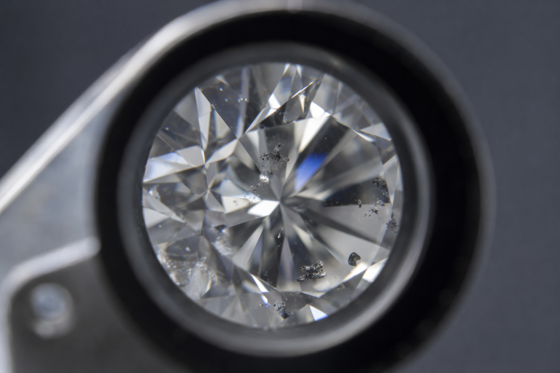
Diamond clarity is checked by looking at the stone through a tool that makes it look ten times bigger. During this time, experts look for things inside the diamond and marks on its surface. They look for anything wrong inside and outside and see how easy it is to see these. After this, the diamond gets a clarity grade based on a set clarity scale.
This clarity rating is based on more than just one flaw. The graders look at the size, number, where the issues are, what kind they are, and how easy they are to see. Because of this, two diamonds can have a grade that's almost the same, but they can look very different in real life. The next parts will talk more about this.
Why Clarity Matters in Diamond Quality
Clarity matters a lot when grading diamonds. This is because it can change how rare a stone is and how nice it looks. The clarity shows what is inside the diamond and the spots you get on the outside. On the diamond grading scale, the stones with less and lighter marks get a higher clarity score. A diamond that is clear in this way is often worth more money than one with more marks.
You do not always have to get the diamond with the top clarity rating. There are things inside gem diamonds that do not change how good it looks to people. A lot of inclusions in them are not seen with your eyes. In daily use, a VS or even some SI grade diamond can look clean to people.
People talk about the clarity of a diamond because it helps you know what you will get. If there are big clouds inside, the diamond can lose its shine and look less bright. If you can see cracks or lines that reach the surface, the diamond can break more easily. These things show that clarity is an important part of how good a diamond is, and not just a label on a grading scale.
Popular Diamond Clarity Grades and Ratings
The main clarity scale goes from FL to I3. A skilled grader looks at each diamond under 10× magnification to give it a grade. When people buy diamonds, they often look at VVS, VS, SI, and Included ranges side by side.
Use this text table as a quick guide:
Clarity Grade | Meaning in the Clarity Scale |
FL / IF | No internal inclusions visible at 10×, or only minor surface blemishes |
VVS1 / VVS2 | Minute features, difficult for a skilled grader to detect |
VS1 / VS2 | Minor inclusions; many VS diamonds appear clean without magnification |
SI1 / SI2 | Noticeable inclusions under 10×, sometimes visible to the naked eye |
I1 / I2 / I3 | Obvious inclusions, often visible and sometimes affecting durability |
Which clarity ratings are seen as the best? FL and IF are at the top. But many buyers pick VS diamonds because they give a good mix of look and price. The right option depends on what your eyes can see and how much you want to pay.
Inclusions, Blemishes, and How They're Evaluated
In diamond grading, there are two main types of marks. Inclusions are things that are inside the diamond. Blemishes are what you can see on the outside of the stone. A grader will look for each mark to see how easy it is to see them. They also look at if these change how the stone looks or how strong it is. Not all marks found in grading are as important as the others.
The main things to look at are:
Size of the feature
Number of inclusions or blemishes
Where it is, like if it is under the table
What kind it is and how much it stands out, such as inside lines or dark crystals
Some marks inside a diamond can be more important when grading, based on where they are. If one is close to the center, you may see it right through the diamond, and it can look larger than it really is. If there are spots or lines on the outside, these can bring down the grade, and if there are bigger cracks or lines, people might worry about how strong the diamond is. This is why people do not look at the type alone. They see how easy it is to spot the mark and how it changes the look of the stone.
Diamond Quality Grading Systems
A diamond grading system helps people talk about diamond quality with the same words. This grading scale gives a clear way for grading agencies to look at things like color and clarity in the same way each time. If there was not this way of doing things, it would be hard to look at diamonds next to each other.
When you want to know more about a diamond, you can ask for a grading report from a well-known lab. This report shows what the graders found using the diamond grading scale and grading process. It makes it easier for you to look at diamonds and know what you are getting. Next, we will talk about the main grading charts and see how the grades come from the grading process.
Overview of Major Grading Charts (GIA, IGI, etc.)
Many groups use planned diamond grading methods. The Gemological Institute of America is well known for its grading scale. A lot of people in the market use the words from this scale. Some other grading groups are International Gemological Institute, American Gem Society, IDC, CIBJO, and European Gemological Laboratory.
Here is a simple comparison table:
Organization | Key Point |
Gemological Institute of America | Uses a widely recognized clarity and color grading chart |
International Gemological Institute | Commonly seen in the market and uses similar nomenclature |
American Gem Society | Uses a number-based grading scale linked closely to GIA terms |
European Gemological Laboratory | Known for using SI3 in some cases |
CIBJO / IDC | Use related systems with alternate naming in places |
A grading report is helpful when you know about the lab that gave it. The names on different charts can look the same. So, buyers need to look at the lab that made the report. They should not just trust the grade written on the paper.
How Diamond Quality Grades Are Decided
Diamond quality grades are set by a careful grading process. A skilled grader checks the diamond with 10x magnification. Darkfield light is used to help people see the details. The grader looks at the diamond from many sides. This shows what is inside the diamond and what marks are just on the surface.
For clarity, a trained person looks at five things. They check how big the features are. They see how many features there are. They look at where these are found. They look at what the features are like. They also see how much the features stand out. The marks that stand out the most get called the grade-setting inclusions. There might be other marks too, but these do not always change the final grade for clarity. You may see these on the plot, but they do not decide the main grade.
This grading system matters because the quality of a diamond is about how it looks overall, not just if there is a flaw. The grading process checks how easy it is to see something on or in the stone under normal light. After this, the diamond gets put on the right spot on the grading scale for its clarity.
What to Look for on a Diamond Grading Report
A grading report helps you see the quality of a diamond. The report shows what grade the diamond has. You can check this grade on the paper and see if it matches the diamond you look at in person. For many people, it is more important to know how to read this report than to listen to what someone else tells you.
Pay close attention to:
The lab that gave the grading report and the grading scale that was used
The clarity grade or clarity rating that was given to the diamond
Any things or comments on the report that show things you can see on the diamond
You should read the grading report and also see the diamond in person. A diamond grading report helps build trust. But you still need to look at the diamond with your eyes. If the diamond is in a setting, remember that the mount can hide some parts. Reading the grading report the right way helps you know if the diamond is what you want and if it fits your budget.
Diamond Quality Assessment in the UAE with Almas Diamond
Diamond quality in the UAE is judged by the same grading system used in many other places. This grading goes by well-known standards. When you want to buy a diamond, you need to check the grading scale, the clarity, and what the stone looks like. You should not pick a diamond only because of where it comes from.
Still, what people like to buy can be different in each market. In Dubai, many people want the diamond to look nice and feel they are getting the best value for their money. This changes what is most popular and what sells the most. At Almas Diamond, we help you see diamond quality in a clear way. This helps you pick the one that is right for you with ease. The next sections will show how diamond grading, grading scale, and clarity grade shape choices in the UAE.
Which Diamond Quality is Best in UAE Markets
The best diamond quality in the UAE is not about just one level. It is about what gives you the right mix of look, what is rare, and what the price is. The diamond industry uses the same grading scale in all places. So, what you want to buy matters more than where you get it from.
For most people, the best deal is to get diamonds that look bright and clean but do not have the high price that comes with the top grades. A high clarity grade is nice, but if you do not notice much of a change when you look at it, it might not be the best way to use your money.
This is why it is important to know about diamond grading. In the UAE, most people will do well with a diamond that looks good on top, has a trusted report, and meets what you need. It does not matter if you want an engagement ring or just something to wear every day. The best pick is a diamond that balances all the things, not just the perfect one.
Regional Preferences and Quality Criteria in Dubai
Buyers in different places look for different things, even if the grading scale stays the same. In Dubai, some people may choose a diamond that looks good right away. They often see the sparkle, how it looks on top, and how the diamond stands out. In these cases, what you see with your eyes can be more important than what is written on the grading report.
Common quality points buyers might care about are:
A clarity grade that looks clean when you look at it yourself
Good cut, so the diamond shines bright
A good mix of size and color that helps the diamond look its best
This does not change how people grade a diamond. But it does change how people feel about value. So, do people look at diamonds in Dubai in a new way? The rules are the same. But what buyers want or like can be different, and this can change which mix of diamond qualities is seen as best in the Dubai market.
Assuring Diamond Quality with Almas Diamond
To make sure a diamond is good, you need to be open about it. At Almas Diamond, the best way is to check if the diamond matches with its grading report. You should also read the grading scale in a simple way. This helps you see if the clarity rating, color, and the cut are what you like for how you want it to look.
Before you buy, take the time to look at the diamond in normal light. Next, check what you see against the diamond grading details in the grading report. Ask about anything you see that may change how good or bright the diamond is. The grading report should support what you see. It should not take the place of your own look at the diamond.
It is good to keep grading different from after-sale work. After-sale work has things like diamond polishing, diamond boiling, diamond cleaning Dubai, diamond polishing company, diamond polishing business, or diamond cutting in Dubai. These do not belong to the grading scale. Good quality starts with clear diamond grading. After that, there is care for the diamond and being honest about what shape the diamond is in.
Practical Guide: How to Check Diamond Quality at Home
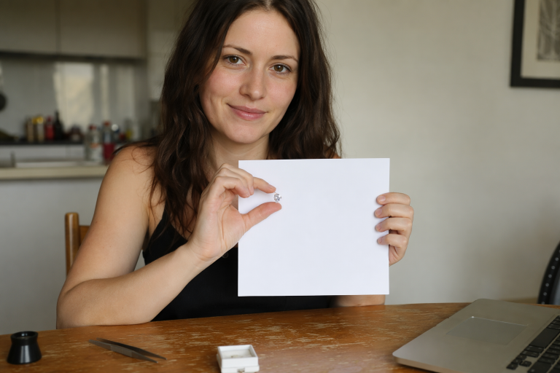
Yes, you can do an easy check of your diamond’s quality at home. It will not be the same as what an expert does. The main idea is to see if your stone looks the way it should based on the report you have for it. Look closely at the grade for how clear it is and see if the diamond looks the same as what is shown in the report.
Start by looking at the diamond with your own eyes. Check how much it shines, see if there are any clear marks, and watch how it looks in regular light. By doing this at home, you can spot any big problems. This also helps you make a good choice when you want to buy. The next two parts will show you how to check diamond quality at home by using easy steps.
Step-by-Step Diamond Quality Checklist
A simple diamond quality checklist helps you look at a diamond and see if it matches what the grading report says. This checklist does not take the place of work done by a lab. But it can be a good first step before you buy a diamond or choose your final one. You can use this as a basic way to check the quality of a diamond.
Follow this checklist:
Compare the diamond with the grading report and see if the clarity grade is correct.
Look at the top of the diamond and see if there are any dark spots, clouds, or things you can see inside the diamond.
See if the diamond looks bright and full of life, not dull.
Make sure the diamond is like what you want to see based on the grading scale.
This is an easy way to know about diamond grading and how to check diamond quality at home. A good look at the diamond is not just about guessing. You need to look at the stone, read the grading report, and see if they match with what you see with your eyes.
Home Methods to Measure Diamond Quality Without Special Tools
If you want to know how you can check the quality of a diamond at home, start by looking at the stone closely. Use your eyes and look at it in normal light. Hold the diamond in your hand and move it around slowly. You should look for anything you can see in the diamond, or if it is not bright in some parts. See if the diamond looks clean and bright when you look right at it.
Try these easy steps at home:
Look at how the diamond matches its clarity rating and the grading scale.
See the diamond from all sides to find any marks that stand out.
Check if the setting covers any parts of the stone or hides any flaws.
These tips will help you find out how to check diamond quality at home. They are a good way to start with simple diamond grading before you buy. But home checks can only tell you so much. You might see some clear problems, but only a pro can give you the true clarity grade.
Conclusion
To sum up, knowing how to see diamond quality helps every buyer make a smart choice. If you learn about cut, color, clarity, and carat weight, you will be able to understand the different kinds and grades of diamond quality. You will be able to look at diamonds in the UAE or see quality at home. When you use a simple diamond quality list, you can find the best diamonds for you. Almas Diamond is here to help with this, so you get top quality diamonds that fit what you want. If you want more help to pick the right diamond, talk to our experts today.
Frequently Asked Questions
How do I know which diamond quality is best for me?
The best diamond quality for you will depend on your budget, how you want to use it, and what you see with your own eyes. It is helpful to look at the clarity scale and grading scale when you compare the choices. A diamond that is well-balanced in its grading can be a good pick. A lot of people feel that choosing a practical clarity grade that has a great cut gives good value for every day. It is better than choosing the top-grade label.
Can I assess a diamond’s quality without professional grading?
You can do a simple diamond quality check by looking at it with your eyes. Look at how bright the diamond is. See if you can spot any marks on it. Make sure the diamond matches what is in its grading report. But if you are checking a diamond at home, you can only find out so much. To really be sure of its quality, the best way is to let a professional use a grading system and check the diamond before you buy it.
What are the different diamond quality grades and what do they mean?
The grading scale for diamond clarity begins with FL and IF at the highest level. After these, you get VVS, VS, SI, and I grades. Each grade tells you how easy it is to see any marks or problems inside the diamond when you look at it with a 10× magnification. The diamond grading scale is there so people can compare stones by using the same system.
Help please; Who made it? Diamond quality?
The quality of a diamond is checked by the Gemological Institute of America (GIA) and other well-known groups. They look at four main things to rate diamonds—Carat, Cut, Color, and Clarity. Knowing about these things can help people pick a diamond that fits what they want.


Comments